
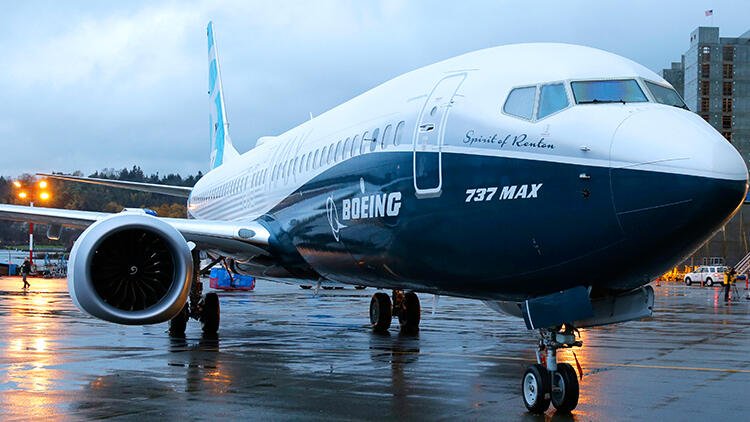
Boeing B737-MAX handling damages its brand reputation
Boeing in denial: Its handling of the B737-MAX crisis has damaged its brand reputation. We look at its brand image, consumer behaviour and customer behaviour.
In the space of a few days in September 1982, seven people in Chicago died after taking cyanide poisoned Tylenol capsules, a pain killer popular with consumers at the time. To this day, police never found the person responsible for tampering with the products.
Most noteworthy, What Johnson & Johnson did a day after the first death was most remarkable for a listed company. They announced a recall of its Tylenol products from store shelves and offered a replacement product free of charge to customers who had bought the products.
The product recall was estimated to have cost Johnson & Johnson over $US100 million in costs and lost revenues.
A few months later, Johnson & Johnson relaunched their Tylenol product with new tamper-proof packaging. They won back market share in a matter of months. They won back market share in a matter of months. What Johnson & Johnson showed, was that it placed consumers and its brand reputation above all else, regardless of the cost implications. Afterall, without customers, it wouldn’t be in business.
Fast forward to October 2018 and the devastating crash of a new aircraft in Indonesia, a Boeing 737-MAX. What is unusual in this crash is the fact the aircraft model was only operational for a few months worldwide. In March 2019, a mere five months after the Lion Air crash, a B737-MAX crashed in Ethiopia in strikingly similar circumstances on take-off, killing all onboard. Both crashes resulted in the deaths of 346 people.
A 62-year-old design
The B737-MAX aircraft model is built by Boeing. A US based aircraft manufacturer that lays fame to aircraft models like the Boeing B747 jumbo jet, known as the ‘Queen of the Skies’, and the Boeing 787 ‘Dreamliner’ model. The initial B737 model was an evolution of their B707 aircraft from the 1950’s.
How Boeing handled the first crash was jaw dropping from an industry point of view. Boeing executives were quick to lay blame on pilot error for the Lion Air crash, pre-empting any preliminary crash reports. The aviation industry was in shock. It’s unusual for a new aircraft to crash within a year after being launch.
Boeing in denial
Questions were being raised, ‘is this an isolated incident’ and ‘is there more to this story’, and no answers were forthcoming. Boeing executives flatly refused to even entertain the idea that there might be something wrong with their bestselling model, they have sold over 5,000 of the B737-MAX models.
The shock of a second crash of a new aircraft model literally signalled that there was an issue with the B737-MAX plane. Airlines and aviation authorities around the world were demanding Boeing and the FAA to ground the aircraft. Evidence of the second crash showed similarity with the Lion Air crash in Indonesia.
The aviation world expected Boeing and the FAA (the main certifying authority in the USA) to step up and do something about the crisis. Failure to do anything simply didn’t make sense. Airlines operating the model chose the unprecedented action of grounding their 737-MAX fleets, aviation authorities around the world began to ground the aircraft and ban it from their skies, yet Boeing and the FAA refused to act.
International pressure on Boeing and the FAA
The B737-MAX was now grounded worldwide. Boeing and the FAA were under intense international pressure to act. Boeing, feeling the intense international pressure, requested the FAA to ground the aircraft. Admitting the B737-MAX might have some design issues afterall. Nearly six months had passed from the first crash. What took them so long? Boeing’s brand took a major hit. Its stock began to slide on the NYSE. The reputation of the highly regarded FAA sustained damage, and it had to scramble to save face.
In a video message, Boeing’s chief Dennis Muilenburg apologised to investors and victims’ families of the Lion Air and Ethiopian Airlines crashes. Muilenburg stopped short of admitting fault, admitting there was an issue with their 737-MAX software that controls the aircraft.
Industry veterans and media alike welcomed the change in attitude. Boeing announced it would establish a victims’ families compensation fund.
Not long after the video message, lawyers began to scramble all over the world. Investors launched class action against Boeing claiming executives made false claims about the airworthiness standards of the 737-MAX aircraft programme. Crash victims’ families launched similar action for compensation from Boeing, and the list of lawsuits keeps growing. It’s already cost Boeing $US6.9 billion and its growing.
B737-MAX Consumer behaviour in a negative context
Consumer behaviour around the world responded to the negative headlines about the 737-MAX. Passengers began to take more notice of what type of aircraft would operate their flights.
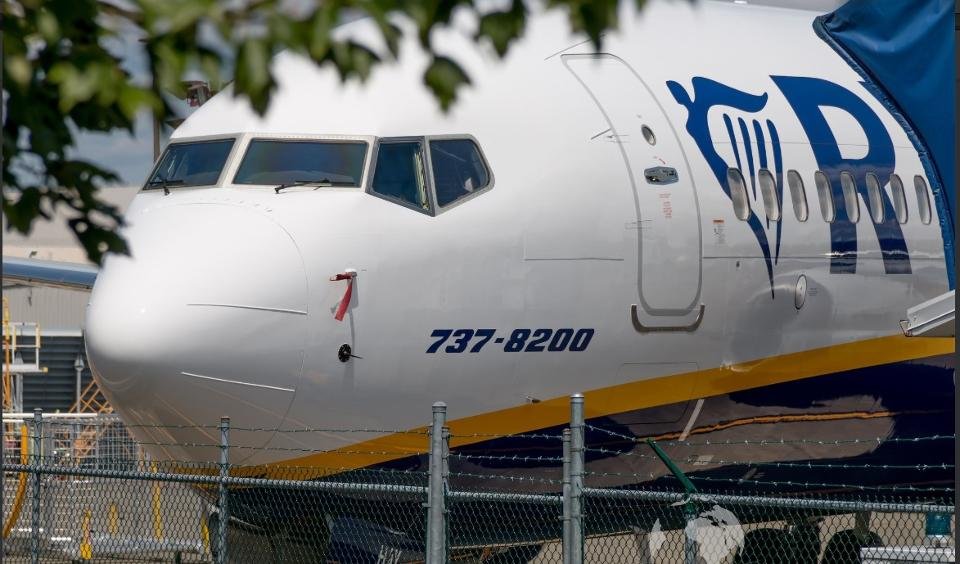
Ryanair, the largest low-cost airline in Europe recently began to change the model sticker from 737-8MAX to 737-8200. Virgin Australia recently announced it will delay delivery of their B737-MAX aircraft on order.
Boeing’s handling of the first crash could have been better. Leading up to the second crash, Boeing executives failed to accept any responsibility for the crashes. Knowing too well that the crashes were a result of a new system they installed on the aircraft. They failed to tell anyone, let alone the pilots who fly the planes.